
Which 2D scanners to actually buy: Zebra DS models, refurbs, and what the cheap ones can't do
If you need 2D-capable scanners and want the short answer: buy Zebra DS-series imagers, and don’t be afraid of used or refurbished units — they’re plentiful, cheap, and the hardware outlives its first owner. The $40 scanners on Amazon will read a QR code just fine, and for a front-counter lookup station that might be all you need. What they won’t do is reformat a structured payload before it reaches your inventory system, and the product page won’t tell you that. Your receiving dock will.
This is the buying-guide companion to our warehouse scanner readiness post, which covers auditing the fleet you already have. This post is for the units that fail that audit, or for adding stations.
The Zebra DS models that matter
Zebra’s DS series is the default answer for a reason: consistent hardware, one shared configuration tool across models, and a deep used market fed by corporate fleets retiring on schedule.
| Model | What it is | Rough price |
|---|---|---|
| DS2208 | Corded, general-purpose | ~$180 new street; new/open-box units run $170–200 on eBay, used ones less — check sold listings for the going rate |
| DS2278 | Cordless (Bluetooth) version of the same scanner | ~$500 new street with cradle |
| DS4608 | Corded, faster decoder, handles dense/damaged codes and screens better | ~$270 new street |
| DS3608 / DS3678 | Ultra-rugged (corded / cordless), IP67, forklift-and-freezer duty | Four figures new; used and refurbished units are widely available on eBay for a fraction of that |
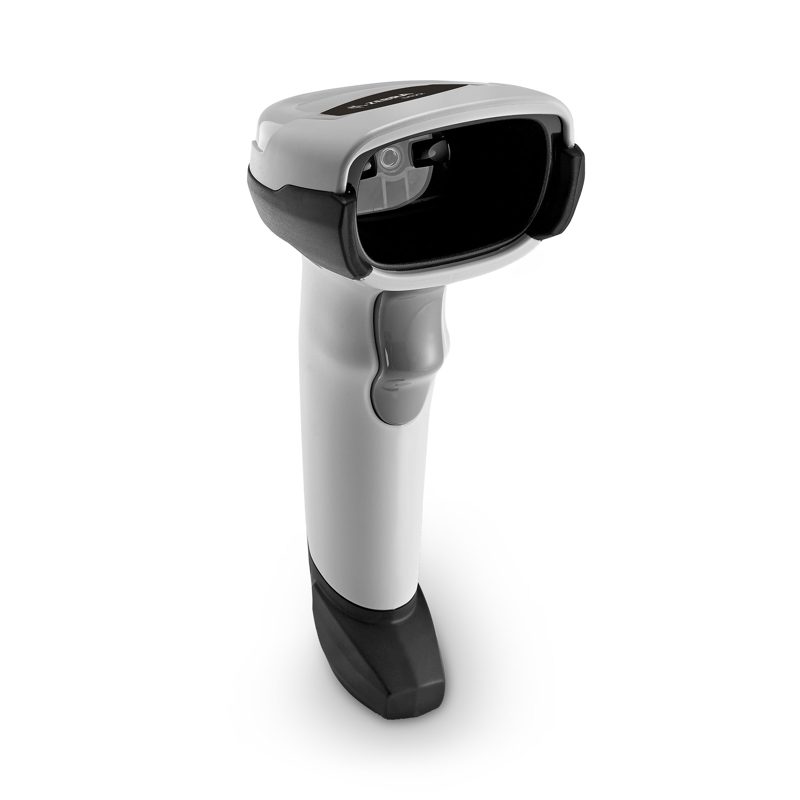
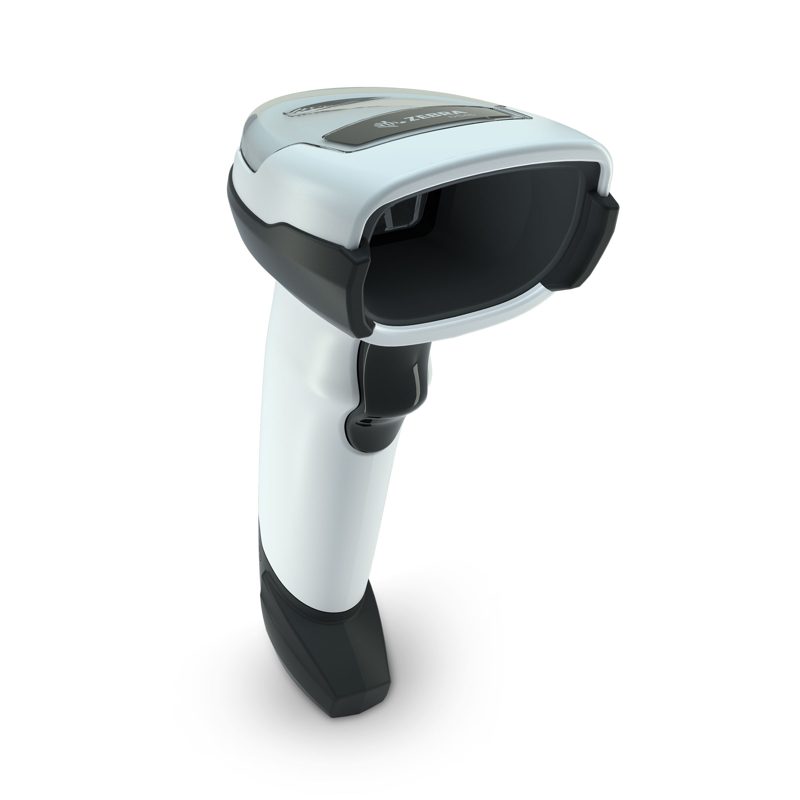
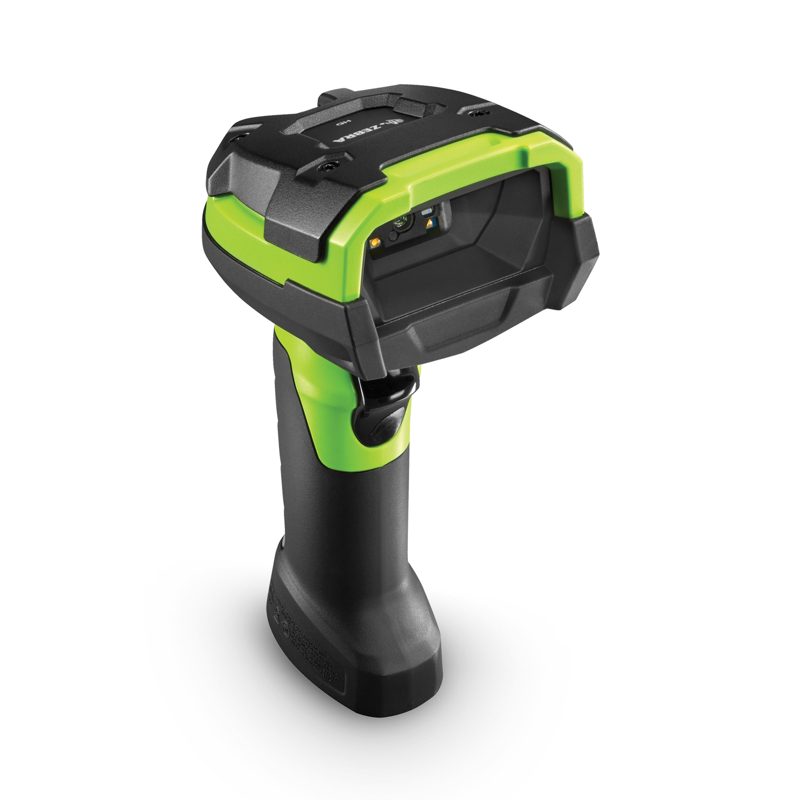
Left to right: DS2200 series, DS4600 series, and the rubber-armored DS3600 series. Images: Zebra Technologies.
Buying guidance by situation, not by spec sheet:
- Office, shipping desk, front counter: DS2208. It’s the commodity workhorse. At the used price, buy a spare.
- Warehouse receiving and picking: DS4608 if corded works, DS3678 if you need cordless and drop-proof. The rugged models are where refurbished shines — a DS3678 that costs four figures new is a few hundred dollars refurbished, and the housing means “used” rarely means “worn out.”
- Small DataMatrix on tiny labels, or barcodes off phone screens: the HD (high density) variants of the 4608/3608 families.
One honest caveat on used units: no warranty, and cordless models come with tired batteries. Batteries are cheap to replace; factor them in. Corded models have very little to wear out.
What the cheap ones can’t do
Amazon is full of $30–60 2D scanners — Tera, Eyoyo, NetumScan, NETUM, and a rotating cast of similar brands. Credit where due: the decode engines are fine for clean symbols. They read QR, Data Matrix, and PDF417, they’re plug-and-play as USB keyboards, and for scanning a part-number QR at a workbench they work.
What you give up, and why it matters for Sunrise 2027-era labels:
No real configuration ecosystem. Zebra scanners are programmed with 123Scan, a free utility whose Advanced Data Formatting (ADF) rules rewrite scan data before transmission. The budget brands configure by scanning setup codes from a PDF manual — fine for “add a carriage return,” hopeless for anything conditional.
No GS1 field extraction. This is the one that decides purchases. A GS1 DataMatrix on an inbound carton carries GTIN, lot, and expiry run together with separator characters. Zebra’s GS1 Label Parsing (Label Parse+, in 123Scan) lets the scanner pick fields out of that payload and transmit only what you want — extract just the GTIN so Fishbowl sees a clean part identifier, or emit GTIN-tab-lot-tab-expiry to fill a form. The budget scanners transmit the raw payload as-is, and their manuals say nothing about FNC1 or group-separator handling; what actually arrives is something you find out by testing, and it can change between firmware batches.
No fleet story. Ten Zebra guns share one exported 123Scan configuration; ten budget guns get configured by hand, one setup barcode at a time, and the eleventh you buy next year may be a different hardware revision that ignores half the codes.
So: cheap scanners are fine where the barcode is simple and the workflow forgiving. Once the label carries structure — the whole point of Sunrise 2027 — the scanner’s job becomes delivering the right part of the payload to the right place, and the cheap hardware has no tools for that.
If you’re buying this quarter
Corded DS2208s for general use, DS4608 or refurbished DS3600-series for the warehouse, HD variants for small symbols. Buy one first, configure it with 123Scan against a real GS1 test label — GTIN, lot, and expiry encoded, printed at production size — and confirm the data lands in your system correctly before you order the rest. It’s a day of work.
Related: